• STACKED
  • About Us
  • Categories
    • Audiobooks
    • Book Lists
      • Debut YA Novels
      • Get Genrefied
      • On The Radar
    • Cover Designs
      • Cover Doubles
      • Cover Redesigns
      • Cover Trends
    • Feminism
      • Feminism For The Real World Anthology
      • Size Acceptance
    • In The Library
      • Challenges & Censorship
      • Collection Development
      • Discussion and Resource Guides
      • Readers Advisory
    • Professional Development
      • Book Awards
      • Conferences
    • The Publishing World
      • Data & Stats
    • Reading Life and Habits
    • Romance
    • Young Adult
  • Reviews + Features
    • About The Girls Series
    • Author Interviews
    • Contemporary YA Series
      • Contemporary Week 2012
      • Contemporary Week 2013
      • Contemporary Week 2014
    • Guest Posts
    • Link Round-Ups
      • Book Riot
    • Readers Advisory Week
    • Reviews
      • Adult
      • Audiobooks
      • Graphic Novels
      • Non-Fiction
      • Picture Books
      • YA Fiction
    • So You Want to Read YA Series
  • Review Policy

STACKED

books

  • STACKED
  • About Us
  • Categories
    • Audiobooks
    • Book Lists
      • Debut YA Novels
      • Get Genrefied
      • On The Radar
    • Cover Designs
      • Cover Doubles
      • Cover Redesigns
      • Cover Trends
    • Feminism
      • Feminism For The Real World Anthology
      • Size Acceptance
    • In The Library
      • Challenges & Censorship
      • Collection Development
      • Discussion and Resource Guides
      • Readers Advisory
    • Professional Development
      • Book Awards
      • Conferences
    • The Publishing World
      • Data & Stats
    • Reading Life and Habits
    • Romance
    • Young Adult
  • Reviews + Features
    • About The Girls Series
    • Author Interviews
    • Contemporary YA Series
      • Contemporary Week 2012
      • Contemporary Week 2013
      • Contemporary Week 2014
    • Guest Posts
    • Link Round-Ups
      • Book Riot
    • Readers Advisory Week
    • Reviews
      • Adult
      • Audiobooks
      • Graphic Novels
      • Non-Fiction
      • Picture Books
      • YA Fiction
    • So You Want to Read YA Series
  • Review Policy

Lens Flare

October 17, 2012 |

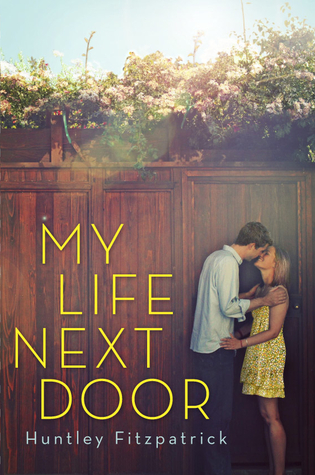
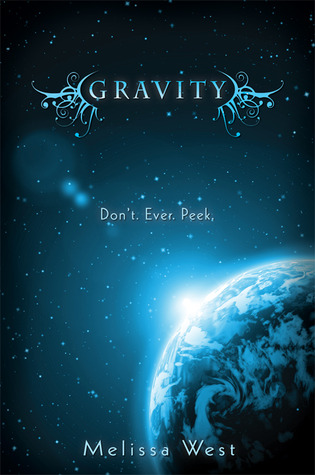
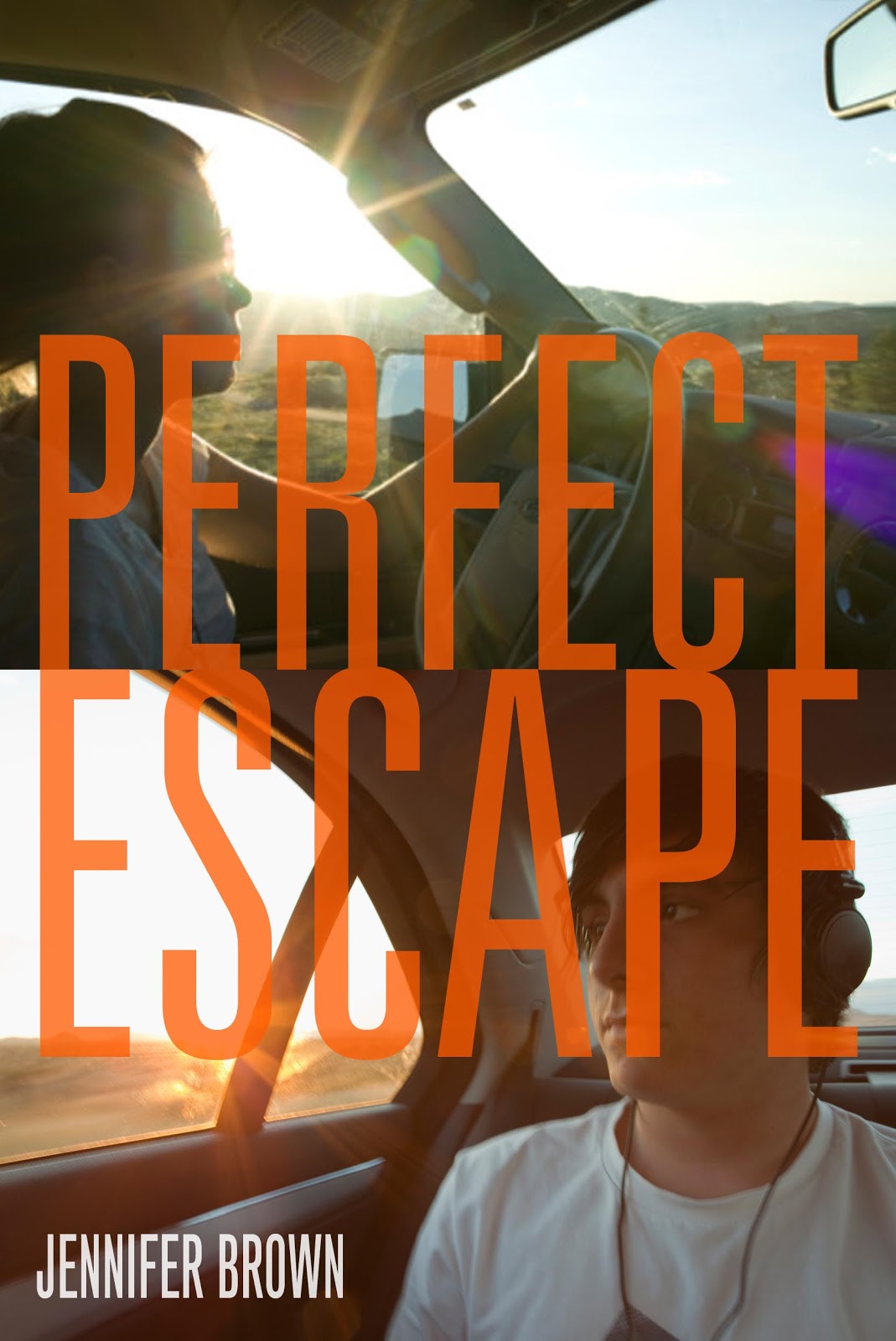
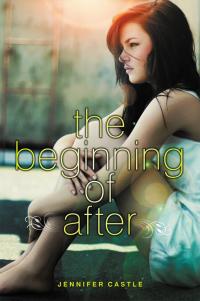
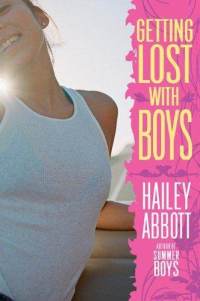
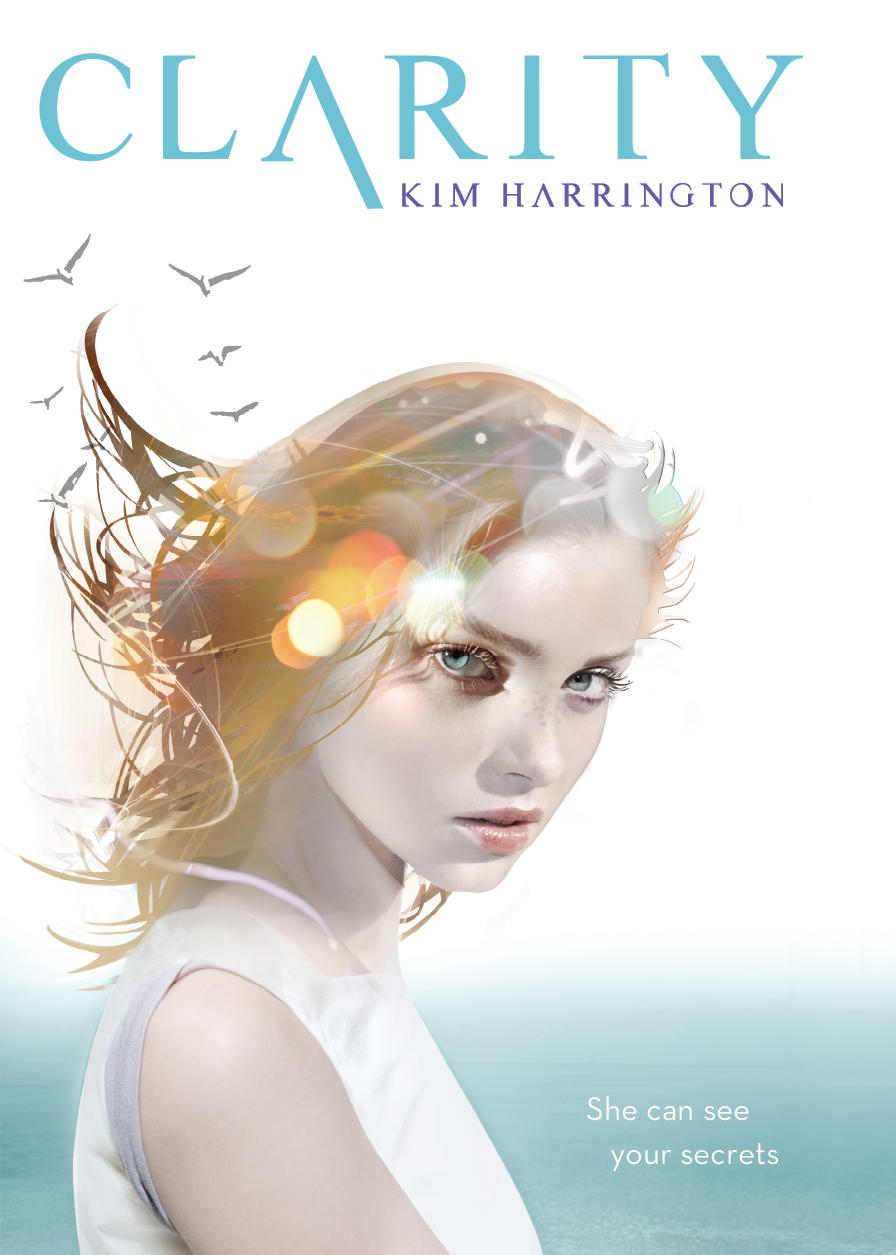
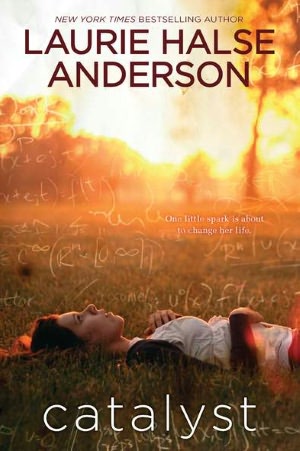
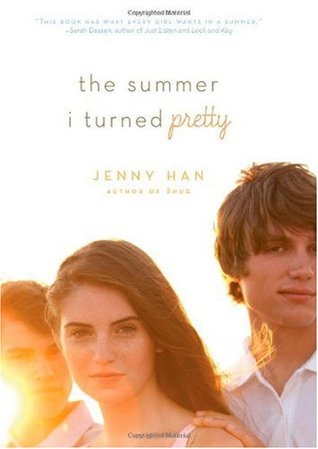
Ever since I saw the cover for A. S. King’s new book, Ask the Passengers, with its very prominent camera lens flare, I’ve started seeing lens flares on covers everywhere. They seem to be particularly prominent in YA contemporary/realistic novels. I’ve collected several in this post, but considering it took me only about half an hour to gather this amount, I’m sure there are many, many more out there. Lens flares are an element that cover designers seem to be especially fond of.
Links go to Goodreads and descriptions come from WorldCat.

Ask the Passengers by A. S King: Astrid Jones copes with her small town’s gossip and narrow-mindedness by
staring at the sky and imagining that she’s sending love to the
passengers in the airplanes flying high over her backyard. Her mother doesn’t want it, her father’s always stoned, her
perfect sister’s too busy trying to fit in, and the people in her small town would never allow her to love the person she really wants to:
another girl named Dee.
We’ll have more on this title, which I really dug, a bit later.

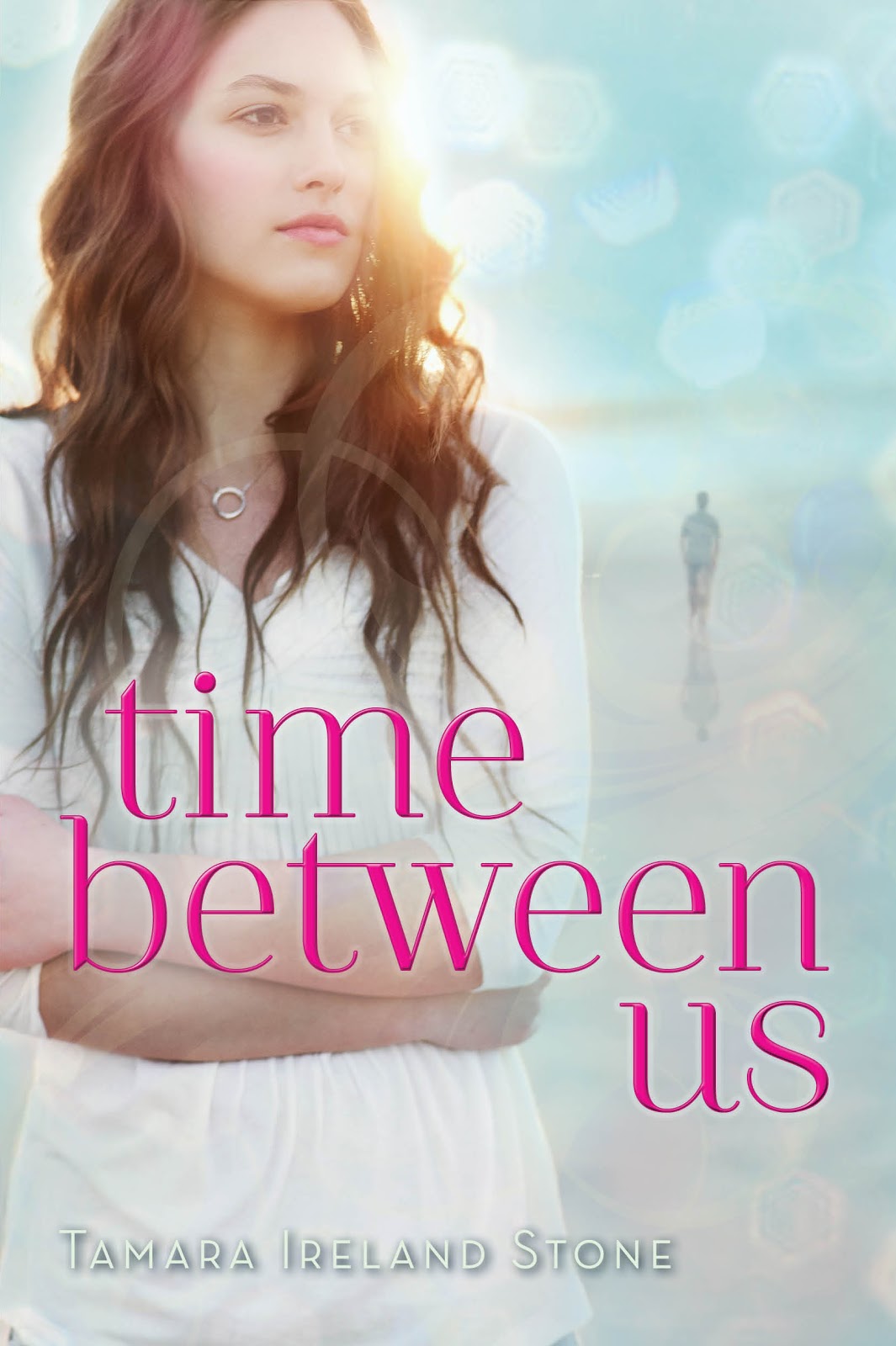
Time Between Us by Tamara Ireland Stone: In 1995 Evanston, Illinois, sixteen-year-old Anna’s perfectly normal
life is turned upside-down when she meets Bennett, whose ability to
travel through space and time creates complications for them both.

My Life Next Door by Huntley Fitzpatrick: When Samantha, the seventeen-year-old daugher of a wealthy,
perfectionistic, Republican state senator, falls in love with the boy
next door, whose family is large, boisterous, and just making ends meet,
she discovers a different way to live, but when her mother is involved
in a hit-and-run accident Sam must make some difficult choices.
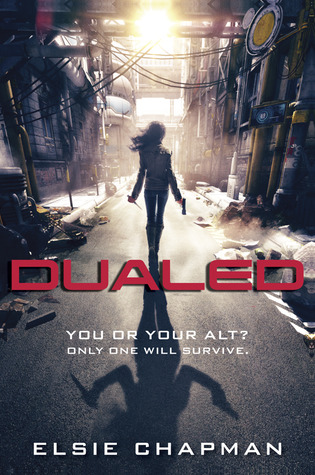
Dualed by Else Chapman: West Grayer lives in a world where every person has a twin, or Alt. Only
one can survive to adulthood, and West has just received her notice to
kill her Alt.

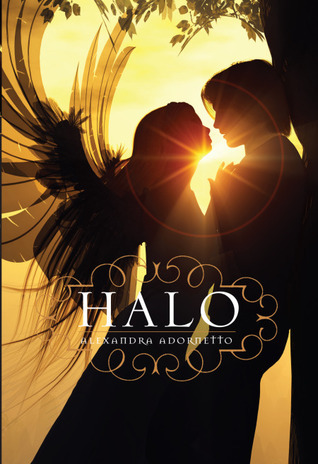
Halo by Alexandra Adornetto, plus sequels: When three angels are sent from heaven to protect the town of Venus Cove
against the gathering forces of darkness, their mission is threatened
as the youngest angel, Bethany, enrolls in high school and falls in love
with another student.

Gravity by Melissa West: Seventeen-year-old Ari Alexander is recruited by arrogant alien spy
Jackson Locke to help him save the Earth because Ari is a military
legacy who’s been trained by her father and exposed to war strategies
and societal information no one can know — especially an alien spy like
Jackson. Giving Jackson the information he needs will betray her father
and her country, but keeping silent will start a war.
(This is possibly the most mangled synopsis ever.)
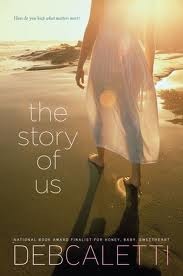
The Story of Us by Deb Caletti: After jilting two previous fiances, Cricket’s mother is finally marrying
the right man, but as wedding attendees arrive for a week of
festivities, complications arise for Cricket involving her own love
life, her beloved dog Jupiter, and her mother’s reluctance to marry.

Perfect Escape by Jennifer Brown: Seventeen-year-old Kendra, living in the shadow of her brother’s
obsessive-compulsive disorder, takes a life-changing road trip with him.
Kelly reviewed this one.

The Beginning of After by Jennifer Castle: In the aftermath of a car accident that killed her family,
sixteen-year-old Laurel must face a new world of guilt, painful
memories, and the possibility of new relationships
. Kelly reviewed this one.

Getting Lost With Boys by Hailey Abbott: When Jacob Stein offers to be her travel companion on a road trip from
San Diego to her sister’s place in northern California, Cordelia Packer
never realized how much fun she could have getting lost with a boy.

Clarity by Kim Harrington, plus sequel: Sixteen-year-old Clare Fern, a member of a family of psychics, helps the
mayor and a skeptical detective solve a murder in a Cape Cod town
during the height of tourist season–with her brother a prime suspect
. I reviewed this one, plus its sequel Perception.

Where it Began by Ann Redisch Stampler: After she is in a horrific car crash when drunk, Los Angeles high school
student Gabriella Gardiner assumes she stole her rich boyfriend’s car
and smashed it into a tree, but she cannot remember anything about the
events of the evening
.

Catalyst by Laurie Halse Anderson: Eighteen-year-old Kate, who sometimes chafes at being a preacher’s
daughter, finds herself losing control in her senior year as she faces
difficult neighbors, the possibility that she may not be accepted by the
college of her choice, and an unexpected death
. Kelly talked more about this cover earlier.

The Summer I Turned Pretty by Jenny Han: Belly spends the summer she turns sixteen at the beach just like
every other summer of her life, but this time things are very different
. Kelly reviewed this one here.

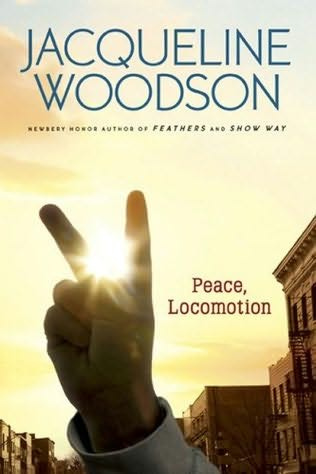
Peace, Locomotion by Jacqueline Woodson: Through letters to his little sister, who is living in a different
foster home, sixth-grader Lonnie, also known as “Locomotion,” keeps a
record of their lives while they are apart, describing his own foster
family, including his foster brother who returns home after losing a leg
in the Iraq War
.

Whew. It is a cool effect, but perhaps a bit overused?
Filed Under: cover designs, Uncategorized, Young Adult

Display This: Zombies!

October 15, 2012 |

Continuing on the horror theme, I thought after last week’s compilation of books and films featuring haunted houses,
I’d take another trope that creeps me out: zombies. There have been a
number of zombie titles out over the last few years, ranging from
serious zombies-are-going-to-get-you to more lighthearted
zombies-are-going-to-get-you-but-you’ll-laugh-on-the-way-out-maybe.

I’ve
limited this list to YA titles only, and I’ve only highlighted the
first book if it happens to be in a series. If you can think of other
titles I may have missed that aren’t subsequent books in a series, share
them in the comments.

All descriptions come from WorldCat and I’ve included links if we’ve reviewed the title.

Rot & Ruin by Jonathan Maberry (first in a series): In a post-apocalyptic world where fences and border patrols guard the
few people left from the zombies that have overtaken civilization,
fifteen-year-old Benny Imura is finally convinced that he must follow in
his older brother’s footsteps and become a bounty hunter. Reviewed here.

Ashes by Ilsa J. Bick (first in a series): Alex, a resourceful seventeen-year-old running from her incurable brain
tumor, Tom, who has left the war in Afghanistan, and Ellie, an angry
eight-year-old, join forces after an electromagnetic pulse sweeps
through the sky and kills most of the world’s population, turning some
of those who remain into zombies and giving the others superhuman
senses. Reviewed here.

Something Strange and Deadly by Susan Dennard (first in a series): In an alternate nineteenth-century Philadelphia, Eleanor Fitt sets out
to rescue her brother, who seems to have been captured by an evil
necromancer in control of an army of Undead.

This is Not a Test by Courtney Summers: Barricaded in Cortege High with five other teens while zombies try to
get in, Sloane Price observes her fellow captives become more
unpredictable and violent as time passes although they each have much
more reason to live than she has. Reviewed here.

Bad Taste in Boys by Carrie Harris: Future physician Kate Grable is horrified when her high school’s
football coach gives team members steroids, but the drugs turn players
into zombies and Kate must find an antidote before the flesh-eating
monsters get to her or her friends. Reviewed here.

The Forest of Hands and Teeth by Carrie Ryan (first in a series): Through twists and turns of fate, orphaned Mary seeks knowledge of
life, love, and especially what lies beyond her walled village and the
surrounding forest, where dwell the Unconsecrated, aggressive
flesh-eating people who were once dead.

Generation Dead by Daniel Waters (first in a series): When dead teenagers who have come back to life start showing up at her
high school, Phoebe, a goth girl, becomes interested in the phenomenon,
and when she starts dating a “living impaired” boy, they encounter
prejudice, fear, and hatred.

I Kissed a Zombie and I Liked It bu Adam Selzer: Living in the post-human era when the undead are part of everyday life,
high schooler Alley breaks her no-dating rule when Doug catches her eye,
but classmate Will demands to turn her into a vampire and her zombie
boyfriend may be unable to stop him.

You Are So Undead to Me by Stacey Jay (first in a series): Megan Berry, a Carol, Arkansas, high school student who can communicate
with the Undead, must team up with her childhood friend Ethan to save
homecoming from an army of flesh-hungry zombies.

The Undertakers by Ty Drago (first in a series): When the living dead invade Philadelphia, Will Ritter and a group of
teenage resistance fighters, known as the Undertakers, are the only ones
that can see them to stop the invasion.

Banished by Sophie Littlefield (first in a series and book two, Unforsaken, delves more into the zombie aspect): Sixteen-year-old Hailey Tarbell, raised by a mean, secretive
grandmother, does not know that she comes from a long line of healers
until her Aunt Prairie arrives with answers about her past that could
quickly threaten her future.

Zombie Blondes by Brian James: Each time fifteen-year-old Hannah and her out-of-work father move she
has some fears about making friends, but a classmate warns her that in
Maplecrest, Vermont, the cheerleaders really are monsters.

Zombies vs. Unicorns anthology: Twelve short stories by a variety of authors seek to answer the question of whether zombies are better than unicorns.

The Enemy by Charlie Higson: After a disease turns everyone over sixteen into brainless, decomposing,
flesh-eating creatures, a group of teenagers leave their shelter and
set out of a harrowing journey across London to the safe haven of
Buckingham Palace.

Dearly, Departed by Lia Habel (first in a series): In the year 2195 when society is technologically advanced but follows
the social mores of Victorian England, recently orphaned Nora Dearly is
left at the mercy of her domineering, social-climbing aunt, until she
is nearly kidnapped by zombies and falls in with a group of mysterious,
black-clad commandos.


Zombie Queen of Newbury High by Amanda Ashby: While trying to cast a love spell on her date on the eve of the senior
prom, Mia inadvertently infects her entire high school class with a
virus that will turn them all into zombies.

Never Slow Dance with a Zombie by E Van Lowe: When most of their high school classmates turn into flesh-eating
zombies, Margot and best friend Sybil see an opportunity to finally
become popular and find boyfriends–if they can just stay alive.

The Cellar by A. J. Whitten: Seventeen-year-old Meredith Willis has seen the monstrous truth about
her new next-door neighbor, Adrien, who is wildly popular at school and
her sister Heather’s new love interest, but trying to stop him could be
fatal.

Undead by Kirsty McKay: When their ski-coach pulls up at a cafe, and everyone else gets off, new
girl Bobby and rebel Smitty stay behind. They hardly know each other
but that changes when through the falling snow, the see the others coming back. Something has happened to them. Something bad…

The Infects by Sean Beaudoin: Seventeen-year-old Nero is stuck in the wilderness with a bunch of
other juvenile delinquents on an “Inward Trek.” As if that weren’t bad
enough, his counselors have turned into flesh-eating maniacs overnight
and are now chowing down on his fellow miscreants. These kids have seen
zombie movies. They know the rules. Unfortunately, knowing the rules
isn’t going to be enough.

Alice in Zombieland by
Gena Showalter: Alice Bell must learn to fight the undead to avenge her
family and learn to trust Cole Holland who has secrets of his own.

Zom-B by Darren Shan: When the news starts reporting a zombie outbreak in Ireland, B’s father
thinks it’s a hoax-but even if it isn’t, the two of them joke, it’s only
the Irish, right? That is, until zombies actually attack the school. B
is forced on a mad dash through the serpentine corridors of high school,
making allegiances with anyone with enough gall to fight off their
pursuers. But when they come face-to-face with the ravenous, oozing corpses, all bets are off. There are no friends. No allies. Just whatever it takes to survive.
 

Have any others or do you have a particular flavor of favorite zombie story? Share it in the comments. Oh, and this is worth checking out, too: 19 infographics about surviving the zombie apocalypse. Then if you need some more ideas for surviving the zombie apocalypse, here’s yet another guide. 

Filed Under: book lists, display this, Uncategorized, Young Adult

Parallel Worlds

October 11, 2012 |

I’m fascinated by parallel worlds, most likely a result of my early obsession with Pullman’s His Dark Materials. It’s the standard bearer for parallel worlds (or universes, whichever you prefer), but I like to read other books with this same feature when I can. Lately, I’ve noticed more than usual popping up within the last few years or so, and a lot of them have been YA.
I’ve listed a few of them below, with their descriptions from WorldCat and links to Goodreads. I know there are a lot more that are older, but I’m more interested in those that have published within the past five years. A few of these have been on my radar for a while, but some I hadn’t heard of until I started looking. Obviously, my to-read list has grown! I’d love more recommendations.
Note that I make a distinction between parallel worlds and alternate histories, though I think the two can have some overlap. Sometimes a parallel world is “created” when a moment in history happens a different way from ours, making this other world both parallel and alternate history. But while alternate histories intrigue me, they’re usually just stories about a single world. Because of that, they don’t fascinate me as much as parallel worlds existing side by side, where the story involves at least two of these worlds that impact each other in some way.
I’m also deliberately not including purely fantasy worlds in this post (which means stories like Narnia and Alice in Wonderland are out). While I certainly like those stories, what interests me most about parallel worlds is the idea that it could maybe actually happen. Because of science. Well, most stories it’s more like “science” than science, but you get what I mean.
Through to You by Emily Hainsworth: When a teen boy loses the love of his life in a car accident, he’ll do anything to get her back–even travel to another universe. That synopsis is slightly misleading, because Cam ends up in the other universe pretty much by accident. I just finished reading this one recently and enjoyed it. Hainsworth actually doesn’t delve much at all into how the parallel world exists, making it potentially magical or scientific. Kelly reviewed this book last week. 
Fair Coin by E. C. Myers: When evil versions of himself and best friend Nate appear one day,
teenaged Ephraim embarks on a dangerous odyssey through parallel worlds
to make things right.
Matthew Jackson reviewed this one for us in July. I read it soon after, and his review is spot-on. In Myers’ multiverse, there are innumerable worlds that his characters can travel to, and the possibilities are so exciting to think about. Its sequel, Quantum Coin, publishes October 23. 
The Shadow Society by Marie Rutkoski: Sixteen-year-old Darcy Jones knows little about her past except that she
was abandoned outside a Chicago firehouse at age five, but when the
mysterious Conn arrives at her high school she begins to discover things
about her past that she is not sure she likes.
The synopsis doesn’t tell you that the story involves parallel worlds, but the Goodreads reviews clued me in, and they made me want to read this one. It involves a parallel Chicago that sounds very interesting. I’m currently reading it, but haven’t gotten to the good stuff yet.

Planesrunner by Ian McDonald: When fourteen-year-old Everett Singh’s scientist father is kidnapped
from the streets of London, he leaves a mysterious app on Everett’s
computer giving him access to the Infundibulum–a map of parallel
earths–which is being sought by technologically advanced dark powers
that Everett must somehow elude while he tries to rescue his father.
This is one I hadn’t even heard of until I started looking around. Despite the awful cover (in my opinion), this sounds right up my alley.
Gateway by Sharon Shinn: While passing through the Arch in St. Louis, Missouri, a Chinese
American teenager is transported to a parallel world where she is given a
dangerous assignment.
This is one I haven’t read, so I’m not sure if it’s more fantasy than science fiction. It seems like it might be. Still, the premise is intriguing, and I adored Sharon Shinn’s Samaria series as a teenager. 
Fringe (tv series): OK, so this isn’t a book, but more of you should be watching this show. The first season is a bit slow to get to the good stuff, and has an annoying bit with a misogynistic character in a position of power that made me stop watching it the first time, but oh, it is so worth it. It’s got parallel worlds and time travel and complex plotting and great characters. It tells small stories each episode, but also tells a huge, over-arching story with worlds at stake. And this season is set in a dystopian future. Be still, my heart. (By the way, Fringe’s dystopia clobbers Revolution’s.)
Are there any more books out there that fit my criteria? I’m also interested in hearing your recommendations for older books and adult books. I know about a lot of them, but you should tell me which ones I should tackle first.

Filed Under: Uncategorized, Young Adult

Through to You by Emily Hainsworth

October 2, 2012 |

It’s becoming rare to read something different in YA fiction. That’s not to say books that tackle similar topics are bad — they’re not — but when you pick up a book that is so different from what you’ve read before, it’s noteworthy. Emily Hainsworth’s debut Through to You is fresh, inventive, and engaging.

Camden Pike lost his girlfriend Viv in an accident, and he’s grieving the loss hard. It’s not just grief he’s grappling with though; Cam also blames himself for the accident. A few moments of carelessness on his part caused her to die. Viv was everything to Cam. She helped him recover from an injury that sidelined his football career and she was there as his family fell apart and his father become more and more distant from him. She was his guiding strength through so much.

Cam would do anything for just a few more minutes with Viv. He’d do more to have her back completely.

One night, upon visiting the memorial dedicated to her at school — the place where the accident happened — Cam’s visited by a spirit he doesn’t know. She introduces herself as Nina, and she tells him she comes from a parallel world accessible through the green light glowing nearby. In this world, Viv is still very much alive. But as much as Nina warns Cam that going with her to this parallel world isn’t good  for him, he doesn’t listen. He goes. And what he discovers about Viv changes his perception of not only who she is in this alternative world, but it changes his perception of who she was in his world. Was Viv the girl he thought she was? And how does Nina fit into all of this?

Through to You is one dash contemporary, with a dash of science fiction, time/space travel, thriller, and fantasy/supernatural. What keeps it woven tightly, though, is the romance and pursuit thereof. Cam’s desire and passion for his relationship with Viv transcend place and time, and Hainsworth successfully marries her genres because the story remains grounded in the human element of connection.

Cam’s voice is knockout — he is direct and unfiltered, sarcastic and hard to crack open. Despite holding back his true feelings, as readers we know what’s going on in his mind. He’s miserable and pained because of losing Viv, and he shows us this through his actions. He withdraws socially, reacts with intensity, but he lets us inside little by little through his counseling sessions. We learn about him, too, through his reactions to his parents’ divorce and the instability in his family life. While it can be a little jarring and difficult to initially connect to Cam, that distance between reader and character is essential in establishing who he is. He’s not easy to like and he doesn’t necessarily want to be liked, either. The more we become invested in his story and the more we realize that he’s struggling not just with grief, but also with guilt and anxiety and depression and confusion about the future, the more we’re hopeful that he can come to some sort of closure with Viv in the parallel world.

When Cam enters the parallel world, Nina warns him repeatedly that Viv isn’t who he thinks she is. Of course, Cam disregards her warnings because all he wants is to be reunited. This is his chance. And, of course, Nina’s warnings are right — Viv isn’t who she was in Cam’s world. She’s much crueler, darker, and possessive than what she was in his life. Cam can’t get close enough to her, but as he watches her in this parallel world, he comes to discover that he isn’t quite himself, either. That the choices he makes here are influenced heavily by Viv. The longer he’s here and the more he longs for more time with Viv, the more he begins to question what Nina’s warning meant. The more he begins to realize that maybe her warnings were right. That maybe, just maybe, the Viv in this parallel world is the true and honest Viv of his real world.

Fair warning that this next paragraph is spoiler, so feel free to jump down to the following one if you don’t want it.

What Hainsworth does in developing this alternative Viv, one who is so much more controlling and powerful in the relationship, is savvy. Cam’s grief in the real world and his guilt over causing the car accident that ended her life has done nothing but cloud the truth about who she was to him. She was possessive and greedy of his time. She took more away from him than she gave to him — where he thought she was the person who helped him through an injury, the truth was she was the person who kept him from returning to the sport he loved. She’d exerted her control over him and forced him to stray from who he was and what he wanted. When confronted with the truth of who Viv is in the alternative world, Cam realizes that her death frees him. As cruel as it sounds, she was the element keeping him tied down and keeping him from achieving what he hoped to achieve. It kept him from establishing other relationships and from being closer with his friends. His love for her was less about love and much more about being comfortable and feeling as though he were being accepted. This, of course, ties back into the trouble with his parents and feeling like the cast off in the family as they go through divorce. It’s in Cam’s realizations about Viv and what she really was to him that readers really connect with him. Grief can make people blind — for Cam, it makes him blind not only to what Viv was to him, but it protects him from what may be the scariest thing for him: freedom. Her death is his new beginning and the prospect is scary, despite being what he needs and deserves.

As much as the hook and threads of the story are in this romantic element and in Cam’s grieving, what stood out to me was how Cam navigated and began to understand relationships with the adults in his life. In particular, Cam’s interactions with his father were brutal. There’s a scene that stands out to me, where Cam’s father calls him and the tension and strain in their relationship as father and son sear. It’s much less about the divorce or about what it means when parents divorce. This scene and the subsequent scenes with his mother highlight to Cam that making choices about the course of his life rest within his own power. He’s watching two adults who are making choices — and not always ones he agrees with — and he’s observing how adults can be selfish. Cam realizes in this phone call with his father that he is the one with the power to choose what he wants their relationship to be like. These moments tie directly back to the relationship Cam has with Viv; he’s watched a destructive relationship between his parents, and that’s why he didn’t quite put together the potential destruction going on in his own relationship. Moreover, though, this is where the concept of choice and of false choices ties together. The ball is entirely in Cam’s court when it comes to making choices about everything. He just has to find the power within himself to make them and live with the consequences.

The parallel worlds aspect of Through to You emerges not only in concept, but in actuality. It is the ultimate what if?

I haven’t talked much about Nina, the third major character in this story, and that’s because her role is almost too obvious. We know she’s here to help Cam see the truth and she’s here to guide him through the grieving process. Moreover — and this is spoiler — it seems clear from the beginning that she’s going to make an appearance in the real world. She wouldn’t exist only in the parallel world unless she had a complement in Cam’s reality, and readers will know full well what that role is early on. I saw it coming from miles away, but I still found it satisfying. For Cam, Nina is little more than a ghost worth ignoring because she stands in the way of his being with Viv again. But readers know to expect more from her and they know that what she is is much more real and fleshed than what Viv is, despite Viv being depicted as the truth and whole thing. In the moments where Cam attempts intimacy with Viv, there are constant interruptions that break them from one another, where in the moments when Cam and Nina are together (not intimately), things are awkward but they’re solid and unbroken. As much as Cam wanted Viv to be right, he knows she cannot be. It’s clear who is. 

Emily Hainsworth’s debut is tightly written, well-paced, and will appeal to a wide range of readers, especially those looking for something a little bit different. This felt like classic YA to me in some senses, but I’m struggling to put my finger on what made it feel that way. Perhaps because it crosses so many lines in terms of genre and perhaps because it doesn’t follow a lot of the current trends.

In so much as this is a story about grief and loss, it’s ultimately a story about what the past is and whether people can move on from it or whether it ties them down. Through to You is quite minimalist in style, meaning that readers aren’t going to have a lot of world building nor a lot of explanation for the hows and whys of parallel travel. That’s a strength of the book — what it means and how it works lies in the hands of the readers to construct.

Review copy received from the publisher. Through to You is available today.

Filed Under: review, Uncategorized, Young Adult

Blood Roses by Francesca Lia Block

September 28, 2012 |

I’ve actually only ever read one other book by Francesca Lia Block – Pretty Dead, a slim vampire novel that was published in 2009. In anyone else’s hands, the story may well have been a generic vampire romance, but in Block’s, it was something else entirely.

Several reviews of Blood Roses, a collection of nine (very) short stories first published in 2008, call Block’s writing “prose poetry,” which I think is a good descriptor. The stories, which each take under five minutes to read, are loosely connected to each other and focus on teenage girls undergoing some sort of transformation – physical, sexual, magical. There’s a thread of fantasy that connects them all, sometimes dark, sometimes restorative, sometimes both. Block’s fantasy in these stories is a metaphor for adolescence and coming of age, and I loved nearly all of them.

In one story, a girl tells the reader that her boyfriend is an alien and explains how she knows. In another, a girl suddenly develops tattoos all over her body after becoming infatuated with a tattoo artist. In another, a girl meets a centaur and takes him home with her. Many of them are sexual in some way, and many involve other mature topics like drugs or family violence. While all of the stories are fantastical, Block doesn’t let her characters dwell on the fantasy aspects – the fantasy is simply a part of their world. (One review claimed that the characters may not all be quite sane, which is possible, I suppose, but it’s not how I prefer to think of it. It’s too literal an interpretation for me.)

Block’s use of language is always imaginative and always beautiful. She’s a fan of short, impactful sentences, unusual story structure, and interesting metaphors. The result is very moody, atmospheric writing you can get lost in. It can also result in some confusion as to what really happened, but that seems purposeful, and it doesn’t detract from the stories, which straddle the line between fantasy and reality anyway.

Due to the nature of Block’s writing, which is very different from most everything else, her books won’t be for everyone. Personally, I love them. She takes risks with language and trusts that her readers are mature enough to understand her. I often have a hard time with short stories, but these were a treat, and I think other readers interested in unusual, edgy fantasy writing will enjoy them too.

Book purchased.

Filed Under: Fantasy, Reviews, Uncategorized, Young Adult

  • « Previous Page
  • 1
  • …
  • 140
  • 141
  • 142
  • 143
  • 144
  • …
  • 237
  • Next Page »
  • Facebook
  • Instagram
  • Pinterest
  • Twitter

Search

Archives

We dig the CYBILS

STACKED has participated in the annual CYBILS awards since 2009. Click the image to learn more.

© Copyright 2015 STACKED · All Rights Reserved · Site Designed by Designer Blogs